
The Science of the Physiological Sigh: Why Your Lungs Calm You Faster Than Your Brain

You know that moment when you hide in the pantry, or lean against the laundry room wall, or stand in the kitchen pretending to look for a snack, when really you just need ten seconds of nobody touching you? That moment. The one where caregiver burnout has you so stressed you could vibrate into another dimension.
Here’s the good news. Sometimes the fastest way to calm down isn’t a better thought. It’s a better breath. A physiological sigh can lower the body’s stress response quickly because it works through your lungs, your heart, and your nervous system. In other words, this is the bridge between “I am absolutely losing it” and “okay, now I can function.”
What a physiological sigh actually is, and why it feels different from a normal breath
A physiological sigh is simple. You take one full inhale through the nose, add a second small inhale on top of it, then let out a long, slow exhale. That’s it.
Your body already does versions of this on its own. You might notice it after crying, during sleep, or in a stressful moment when a big breath seems to happen without asking your permission. It feels different from a regular breath because it changes pressure in the lungs and gives you a longer way out on the exhale.
Most people notice a few things right away. Chest tightness eases a little. The shoulders drop a notch. The feeling of “I cannot get a full breath” starts to soften.
The simple rhythm, inhale, inhale, exhale
Think of it like topping off a cup before you slowly pour it out.
- Inhale through your nose.
- Take one more short inhale through the nose, like a small extra sip of air.
- Exhale slowly through your mouth, or nose, until the breath feels complete.
If you’re a visual person, this high-contrast rhythm makes the pattern easy to remember.
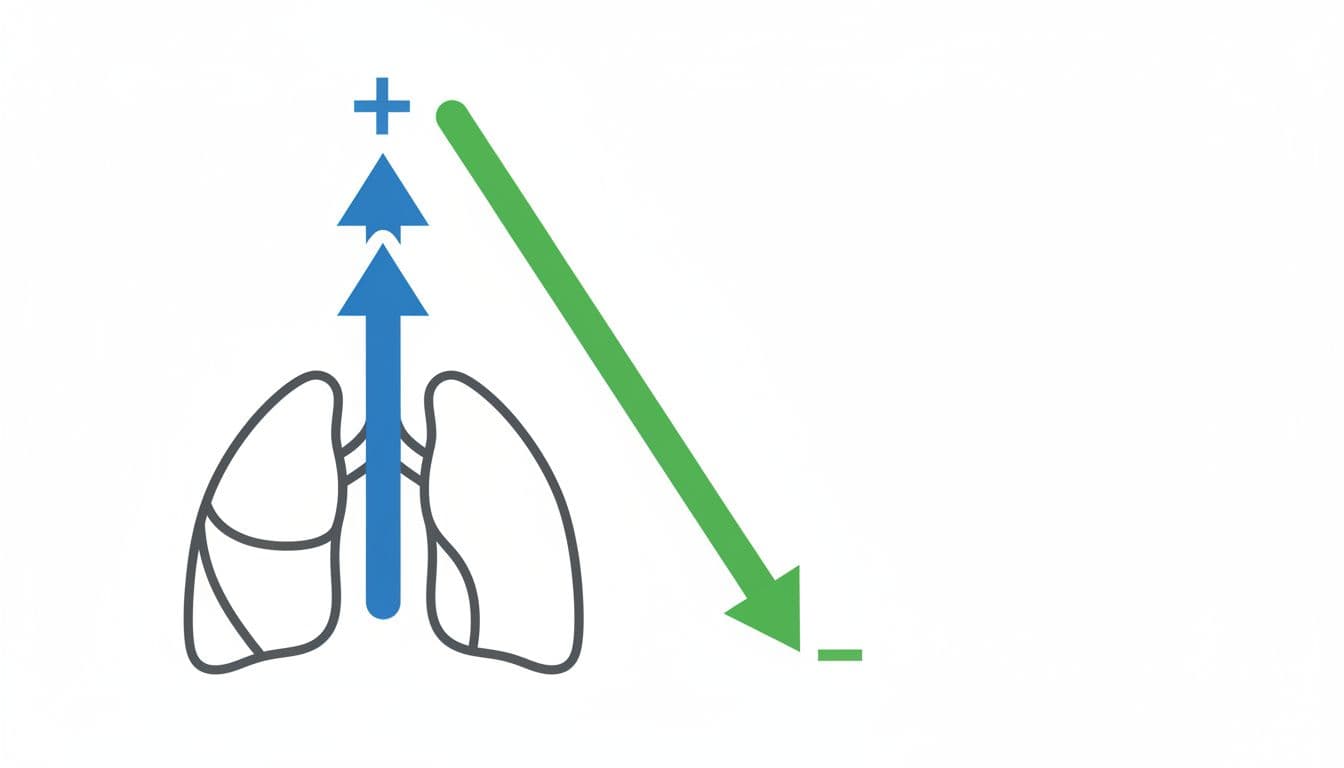
Don’t force the first inhale into a giant gasp. Keep it full, then gentle. The second inhale is small. The exhale is the longest part.
Why this is a body tool, not a positive thinking trick
This matters because your mind is not always ready to cooperate. When you’re upset, telling yourself to calm down can feel like being handed a sticky note in a fire.
The physiological sigh works even when your thoughts are loud. That’s because it’s less of a pep talk and more of a mechanical reset. A review on the physiology of sighing describes sighs as a real biological pattern, not just an emotional habit.
The sigh doesn’t erase stress. It lowers the volume fast enough for your thinking brain to come back online.
That’s why it can feel useful in the middle of a messy day. Your body responds before your inner monologue gets its act together.
The lung science behind the sigh, tiny air sacs, a reset signal, and a slower heart rate
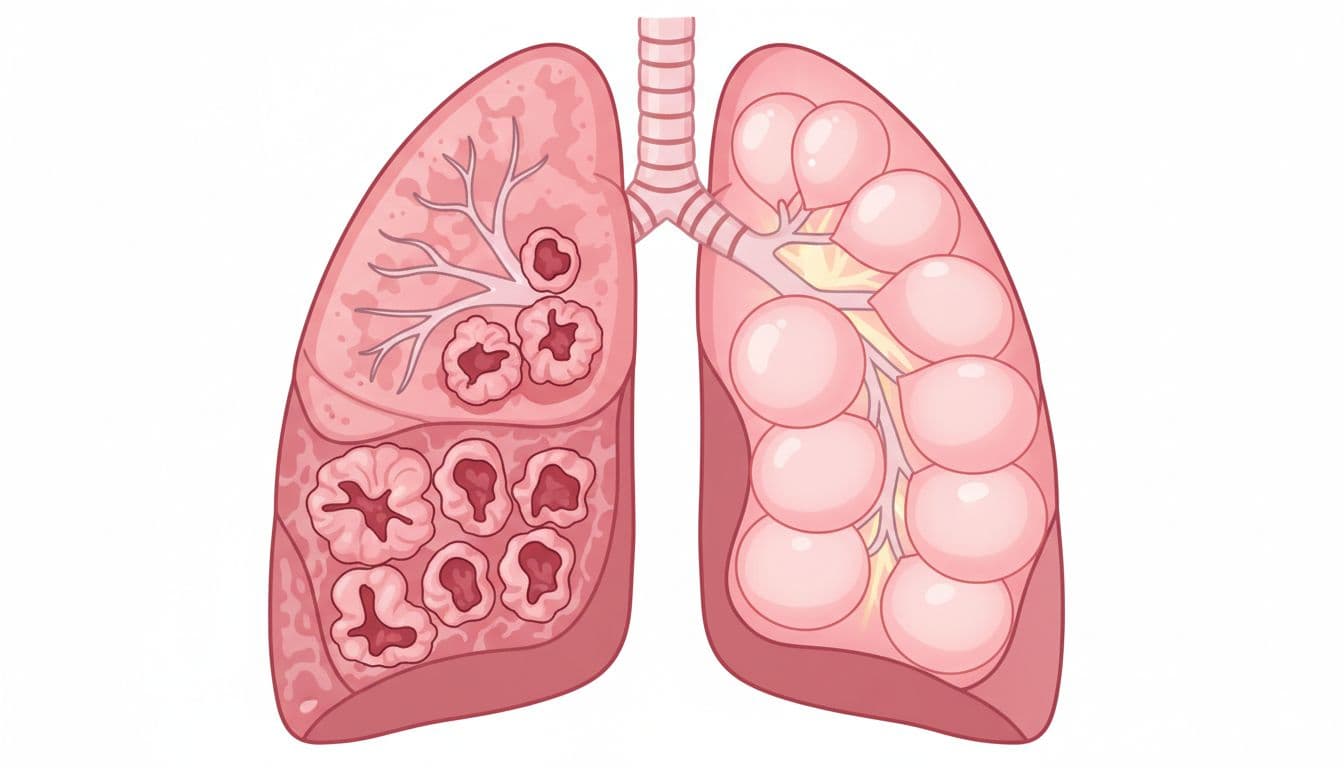
Inside your lungs are millions of tiny air sacs called alveoli. They’re where oxygen moves into the blood and carbon dioxide moves out. They need to stay open to do that well.
Under stress, breathing often gets shallow. When that happens, some alveoli may not fill as well, and a few can partly deflate. A sigh helps re-open those spaces. That improves gas exchange and supports a calmer body state.
How stress changes your breathing before you even notice
Stress usually shows up in your breath early. Before the full spiral starts, breathing often gets quick, shallow, and high in the chest. Then your shoulders creep up. Your jaw joins the drama. Soon it feels like you can’t quite get a satisfying breath.
That pattern can feed the stress loop. The body feels off, so the brain gets more alarmed, so the breath gets even smaller. A broad overview of why humans sigh explains that sighing plays a normal role in keeping breathing stable.
Why the second inhale matters more than people think
That extra little inhale is the secret sauce. One big breath doesn’t do quite the same job.
Picture a bag of tiny balloons in your lungs. Some are fully open, some are a little slack. The second inhale helps “pop” open air sacs that didn’t fill on the first inhale. A simple plain-language explanation of alveoli and sighing puts it well: the sigh helps reopen those tiny sacs so breathing can work more smoothly again.
So yes, the second inhale may feel small, but it changes the breath in a real way.
How the long exhale helps tell your heart to slow down
Then comes the long exhale, and this is where many people feel the shift.
Longer exhales are linked with a calming branch of the nervous system. They can help nudge heart rate downward and reduce that revved-up feeling. It’s not magic, and it won’t solve the root cause of your stress. Still, it can help your body stop acting like the smoke alarm is going off in the toaster.
That’s why the sigh feels different from “just take a deep breath.” It has a built-in reset: reopen the lungs, then lengthen the exit.
When to use it in real life, the messy middle moments that push you over the edge
The physiological sigh works best in the moments that are small on paper and huge in your body. Not every crisis calls for a breathing trick. But a surprising number of daily stress spikes do.
The reply-all email that should have been a DM
You open your inbox. There it is. A reply-all that somehow made your blood pressure rise in under four seconds.
Before you type, do one to three sigh cycles. Then read the message again. The goal isn’t to become a saint. It’s to create one beat of space between trigger and action. Often, that beat is enough to keep you from sending a second email you’ll regret by lunch.
The toddler high C note, or any sound that fries your nervous system
Some sounds don’t just annoy you. They hit your whole nervous system like a frying pan.
If you’re parenting, caregiving, or just maxed out, that high C note can feel like a personal attack from the universe. A quick sigh won’t make the sound pleasant. It can, however, lower the body’s alarm response enough that you can respond without snapping. For a simple practical guide, this overview of the physiological sigh breaks down when and how people use it.
That moment you remember the dryer three hours too late
Tiny realizations can hit like big emergencies. You forgot the dryer. You missed the form. You left the wet towels in a heap that now smell like bad choices.
This is where the sigh shines. It helps you move from panic to the next manageable feeling. Maybe that feeling is frustration. Fine. Frustration can fold laundry. Panic usually just stands in the kitchen blinking.
How to use the sigh without making it weird, forced, or one more thing on your list
Keep this tool light. You do not need a mat, a timer, or a moon phase.
Try one to three rounds, then notice what changed
Start with one round. If you still feel wound up, do two more. Then stop and check for small shifts:
- lower heart rate
- less chest tightness
- shoulders a little softer
- one inch more mental space
That inch counts. This is for a brief state change, not a full cure for chronic stress.
Best times to use it, before you snap, send, or spiral
Use it before a hard conversation, after a sharp text, during sensory overload, or when you’re hiding in the pantry pretending to organize snacks. It also helps after a trigger, when your body is still buzzing and your thoughts are not helping.
If it starts to feel forced, back off. One clean sigh works better than six dramatic ones that leave you dizzy.
From panic to frustration, why this tiny breath tool helps you climb again
If you use the Week 11 Vibrational Ladder, think of the physiological sigh as the move that gets you onto the ladder in the first place.
It’s not the whole climb. It won’t take you from panic to peace in one breath. But it can help you move from panic to frustration, or from overwhelm to slightly steadier ground. And that shift matters, because you can work with frustration. You can think from there. You can choose your next step from there.
This is why the sigh is so useful. It doesn’t ask you to be wise while your body is still in full alarm. It helps the body settle first, so the next tool has somewhere to land.
Sometimes your lungs get there before your brain does. That’s not failure. That’s biology doing you a favor.
When life gets loud, try the sigh before you try to think your way out of it. Body first can be the fastest path back to yourself.